Gateways to the Table: How Activation Strings Transform Live Roulette Access on the Go
Written by Nils Jenkins · Oct 25, 2026
Gateways to the Table: How Activation Strings Transform Live Roulette Access on the Go
Activation strings function as specialized alphanumeric sequences that grant players entry to live roulette sessions through mobile platforms, and these codes streamline connections between users and remote dealer tables operated by licensed operators across multiple jurisdictions. Data from industry reports shows that such strings often combine with app-based authentication processes, which reduces login friction while maintaining compliance standards set by regulatory bodies like the Nevada Gaming Control Board.
Mechanics Behind Activation Strings in Mobile Environments
Operators generate activation strings through backend systems that link directly to player accounts, and these sequences trigger temporary access windows for live dealer streams, which typically last between 24 and 72 hours depending on the platform configuration. Researchers at gaming technology firms have documented how strings integrate with GPS verification protocols to confirm user location eligibility, while seamless handoffs occur between cellular networks and Wi-Fi connections without interrupting the roulette wheel spins or betting interface.
Platform developers embed these strings within push notifications or email campaigns, and players enter them via dedicated fields in the mobile app interface, which then unlocks camera feeds from physical roulette tables located in studios or casino floors. Studies conducted by European gaming associations indicate that this method cuts average access time by up to 40 percent compared to traditional registration flows that require full identity verification at each session start.
Integration with Live Dealer Infrastructure
Live roulette systems rely on high-definition video streams routed through content delivery networks, and activation strings serve as keys that synchronize player sessions with real-time dealer interactions across time zones. According to reports from the Canadian Gaming Association, operators in regulated markets deploy these strings to manage concurrent user loads during peak evening hours, which prevents server overload while preserving the integrity of random number generators tied to physical wheel outcomes.
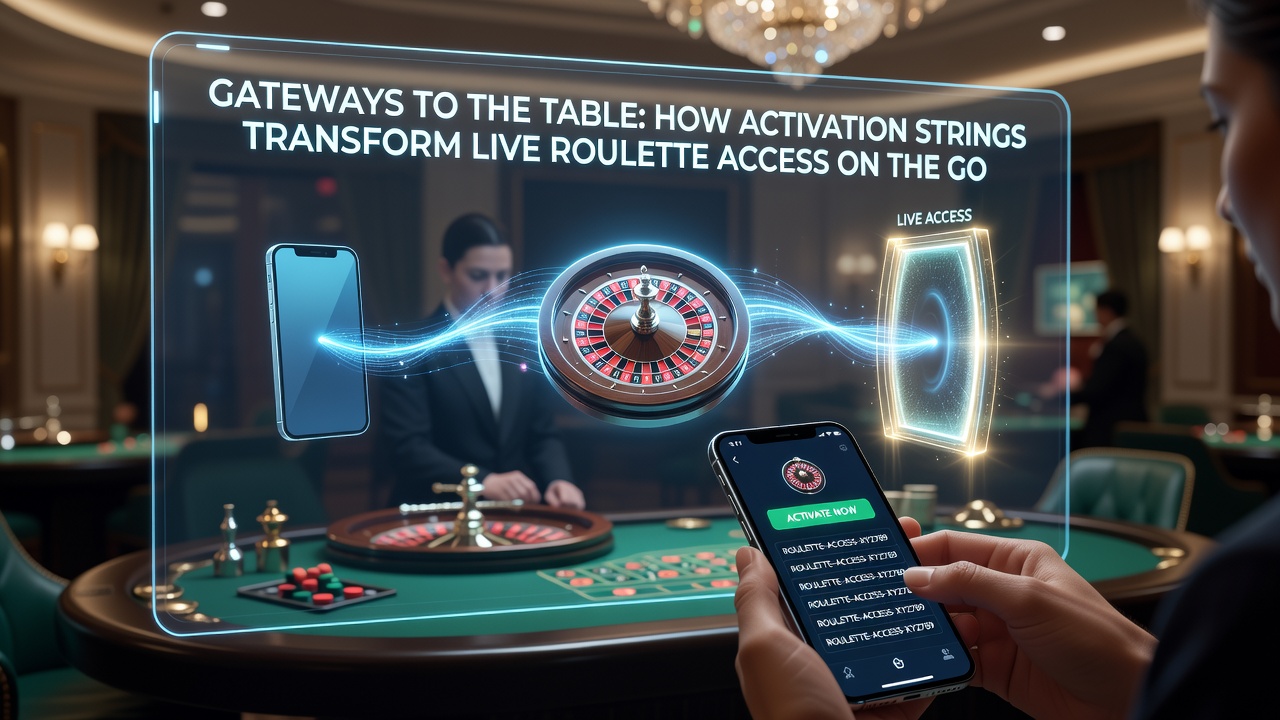
Technical specifications require strings to include checksum characters that validate against server-side databases before granting table entry, and this process occurs within milliseconds to support uninterrupted gameplay. Observers note that strings often expire after single use or limited duration to align with responsible gaming parameters enforced by authorities in regions such as New South Wales, Australia.
Regional Adoption Patterns Through October 2026
Market analyses from October 2026 reveal increased deployment of activation strings among operators targeting cross-border mobile users, and figures from the Australian Communications and Media Authority highlight a 25 percent rise in verified mobile sessions facilitated by these codes during the preceding quarter. Platforms adapt strings to support multiple currencies and language interfaces, which accommodates players moving between different regulatory zones without re-entering core account details.
Case examples from North American operators demonstrate how strings pair with biometric login options on smartphones, and this combination allows quick transitions from promotional offers directly into live roulette environments. Industry research published by the University of Nevada, Las Vegas gaming studies department tracks how such mechanisms expand reach to users in areas with intermittent connectivity, since the strings cache session data locally until reconnection occurs.
Security and Compliance Considerations
Encryption standards applied to activation strings meet or exceed those required by international data protection frameworks, and operators transmit these codes over secure channels to prevent interception during distribution. Regulatory updates from bodies outside the UK, including the Malta Gaming Authority, emphasize audit trails that log every string generation and redemption event for transparency purposes.
Third-party testing labs verify that string-based access does not compromise the fairness of live roulette outcomes, which remain determined by physical wheel mechanics rather than digital algorithms. Those who monitor adoption trends report that strings also facilitate age verification checks at the point of entry, which integrates with national databases in compliant markets.
Future Directions for String-Enabled Access
Developers continue refining string protocols to incorporate blockchain verification layers, and early pilots in select Asian markets show reduced latency for international players accessing European-based live tables. Data compiled by academic researchers indicates sustained growth in string usage correlates with broader smartphone penetration rates worldwide.
Conclusion
Activation strings represent a targeted evolution in mobile live roulette delivery that connects regulatory compliance with user convenience across global platforms. Evidence from multiple oversight organizations confirms their role in expanding access while upholding operational standards observed through late 2026.